ESCElectronic Stability Control System
A fast-response stability controller that helps manage understeer, oversteer, wheel slip, and advanced braking interventions.
Standards
- ISO 26262 development path
- ASIL D target
- ECE safety aligned
- ABS/TCS/ESC stack
System overview
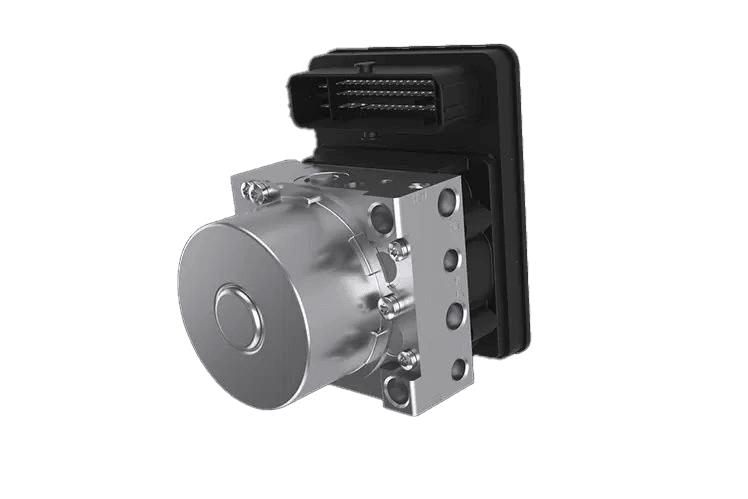
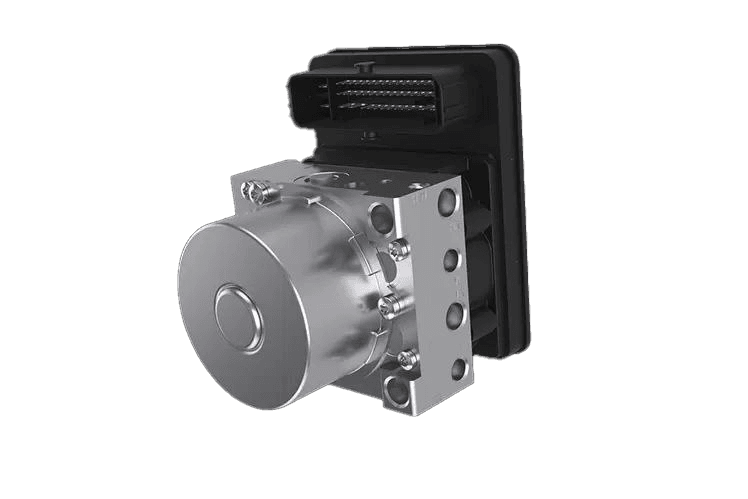
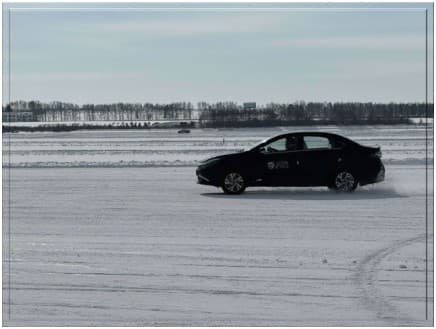
ATI ESC combines sensor fusion, braking control, and vehicle dynamics logic to support modern safety requirements on real roads, not only in ideal test conditions. The controller interprets wheel speed, yaw, steering angle, and acceleration signals, then coordinates brake pressure and torque requests to reduce understeer, oversteer, and loss of traction while preserving a natural driver feel.
Oversteer and understeer mitigation with coordinated brake intervention
Wheel-speed, yaw-rate, steering-angle, and acceleration signal fusion
Calibration workflow tuned for local surfaces, tires, and vehicle mass
Homologation-supporting test evidence for safety and durability programs
Technical profile
Capabilities and technical values are program-dependent and must be confirmed against the applicable OEM requirements, vehicle architecture and validation plan.
Problems it solves
- Solves traction loss during split-friction braking, sudden lane changes, and emergency maneuvers.
- Reduces calibration uncertainty by validating ABS, TCS, ESC, and brake-pressure behavior together.
- Shortens homologation preparation with fault injection, communication checks, and traceable test scenarios.
Typical applications
- Passenger cars that need predictable stability across wet, dry, and mixed-friction roads.
- Light commercial vehicles where changing payload affects brake balance and yaw behavior.
- ADAS and ACC-enabled platforms that require coordinated braking under automated requests.
Technical profile
- Control domain
- Brake pressure, wheel slip, yaw stability, and driver-intent coordination
- Signals
- Wheel speed, yaw rate, acceleration, steering angle, and brake request inputs
- Functions
- ABS / TCS / ESC / ACC support with calibrated intervention thresholds
- Validation
- HIL, split-friction road tests, durability, and homologation evidence
Partner with ATI
Bring this system to your platform
Our engineering team supports integration, calibration and validation — from prototype to series production.
Products
Explore other ATI products
A connected portfolio of vehicle motion and control systems.