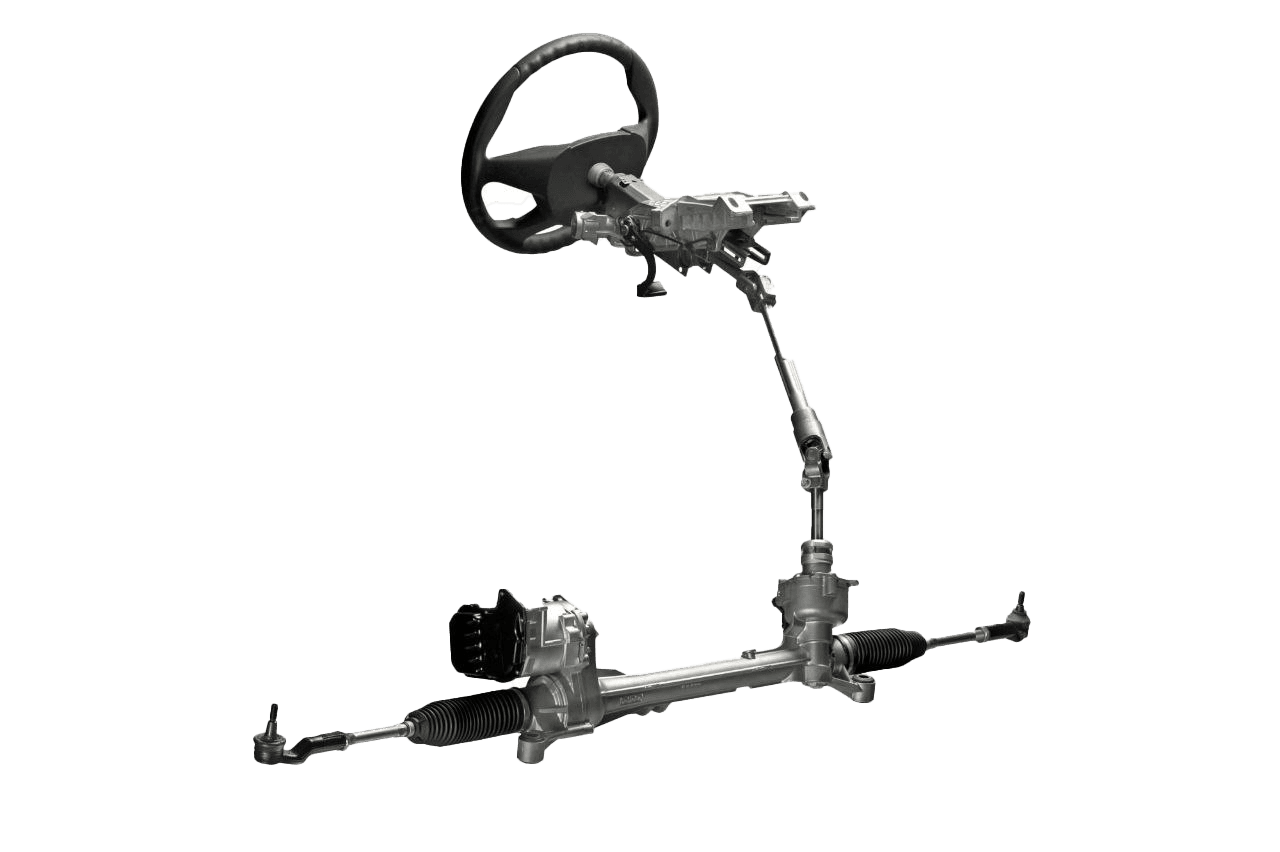
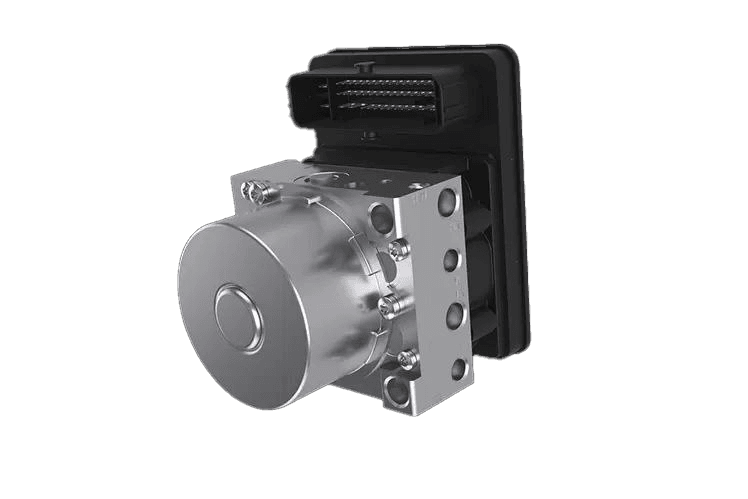
LDWLane Departure Warning
Detects unintentional lane departure and alerts the driver before drift becomes unsafe.
Standards
- ISO 26262 development path
- Vision-based ADAS
- Program-defined DVP
- HMI interface
System overview
Lane Departure Warning (LDW) uses the forward monocular camera to detect lane markings and identify unintended drift. Turn-signal state suppresses warnings during intentional lane changes, while the HMI can provide visual, audible, or haptic feedback. Camera configuration, activation speed, departure thresholds, and road-marking performance are calibrated and validated for each OEM program and its operating domain.
Forward-camera lane-marking detection
Ignores intentional signaled lane changes
Program-calibrated departure thresholds and activation speed
Visual, audible, or haptic warning interfaces
Technical profile
Capabilities and technical values are program-dependent and must be confirmed against the applicable OEM requirements, vehicle architecture and validation plan.
Problems it solves
- Solves unintended lane drift from distraction or drowsiness.
- Warns early enough for the driver to correct course.
- Adapts sensitivity to vehicle speed to reduce false alerts.
Typical applications
- Highway-driven vehicles prone to unintentional drift.
- ADAS suites combining LDW with lane-keeping assist.
- Fleets targeting road-departure fatality reduction.
Technical profile
- Camera
- Forward monocular camera, configured per vehicle
- Processing
- Real-time lane-marking and vehicle-position assessment
- Threshold
- Program-calibrated activation and departure thresholds
- Warning
- Visual, auditory, or haptic feedback
Partner with ATI
Bring this system to your platform
Our engineering team supports integration, calibration and validation — from prototype to series production.
Products
Explore other ATI products
A connected portfolio of vehicle motion and control systems.