VMCSVehicle Motion Control System
A vehicle-level controller that coordinates longitudinal, lateral, and vertical dynamics across safety-critical systems.
Standards
- ASIL D target
- AUTOSAR compatible
- ISO 26262 development path
- Virtual + HIL validation
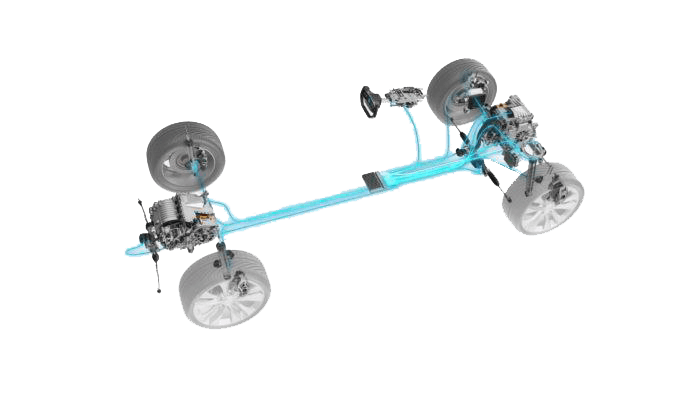
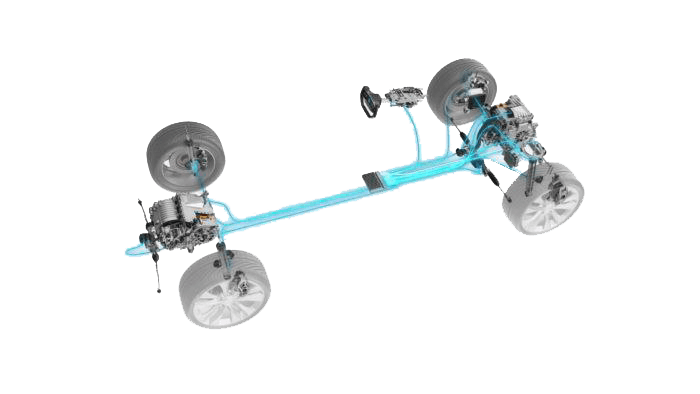
System overview
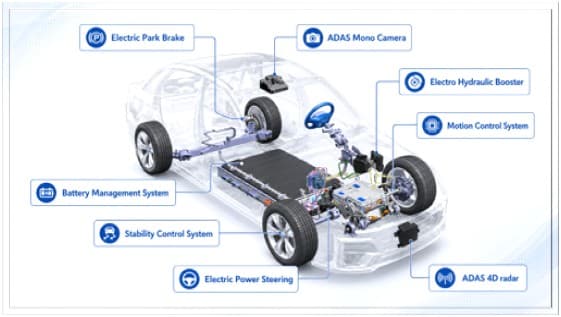
ATI VMCS acts as the first-level motion controller for modern platforms, turning separate steering, braking, propulsion, and chassis requests into one coordinated vehicle response. It is designed around AUTOSAR-compatible software layers, safety-oriented arbitration, and virtual/HIL validation so OEM teams can manage longitudinal, lateral, and vertical dynamics with a single motion-control backbone.
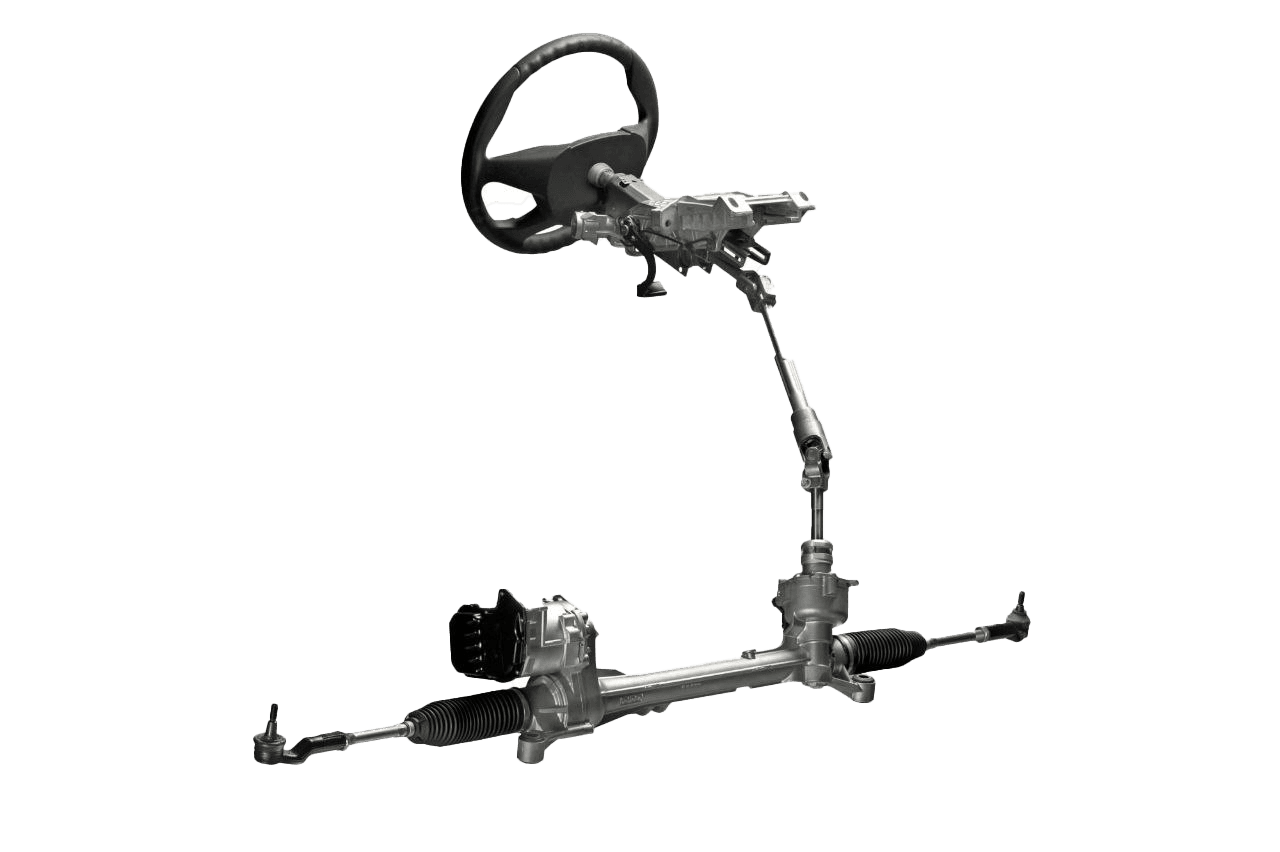
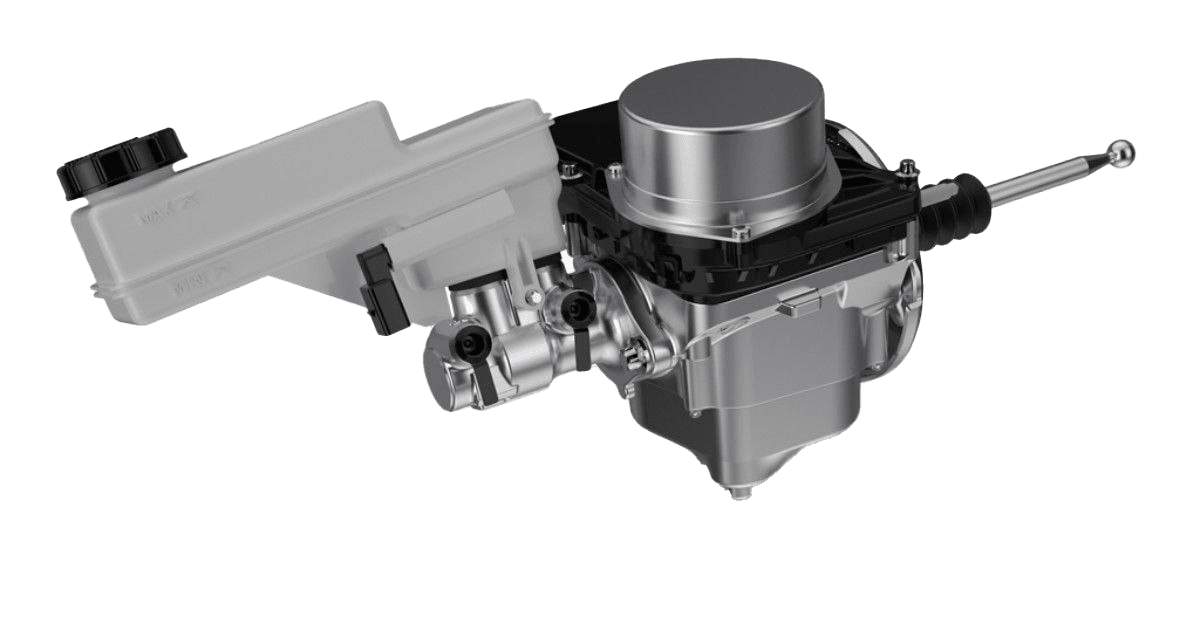
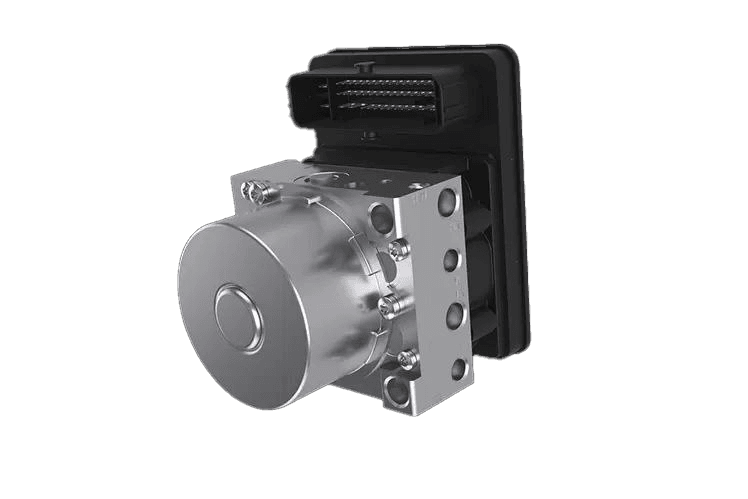
Coordinates steering, braking, propulsion, and chassis actuators in one motion layer
Supports EV, HEV, ICE, passenger, commercial, and autonomous-ready programs
Designed for safety-critical arbitration, fallback logic, and degraded-mode operation
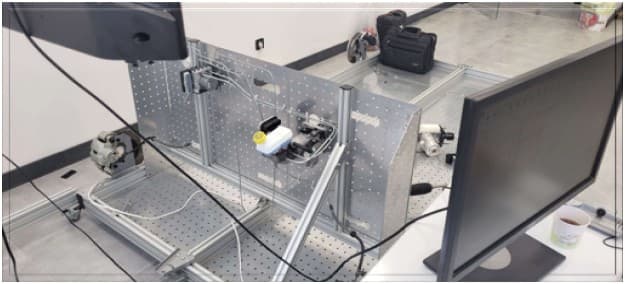
Virtual vehicle, ECU-in-loop, and HIL validation before road-test escalation
Technical profile
Capabilities and technical values are program-dependent and must be confirmed against the applicable OEM requirements, vehicle architecture and validation plan.
Problems it solves
- Solves conflicting actuator requests when ADAS, stability, propulsion, and driver inputs compete.
- Reduces integration complexity by giving OEM teams one motion-control interface across subsystems.
- Improves safety-case confidence with fallback logic validated in virtual vehicle and HIL environments.
Typical applications
- EV, HEV, and ICE platforms that need a shared motion-control strategy across variants.
- ADAS and autonomous functions where braking, steering, and propulsion must respond together.
- Centralized chassis control programs replacing isolated subsystem decisions with coordinated behavior.
Technical profile
- Safety
- ASIL D-oriented arbitration with fallback and degraded-mode behavior
- Software
- AUTOSAR-compatible layers for scalable OEM integration and traceability
- Motion axes
- Longitudinal, lateral, and vertical control coordination across actuators
- Validation
- Virtual vehicle, ECU-in-loop, HIL, and road-test escalation
Partner with ATI
Bring this system to your platform
Our engineering team supports integration, calibration and validation — from prototype to series production.
Products
Explore other ATI products
A connected portfolio of vehicle motion and control systems.